"Best" is the wrong question for a program committee to ask when booking an AI and cybersecurity keynote speaker. The right question is narrower and more useful. Best for what audience, what decision the event is trying to move, and what kind of credibility that particular room will actually respect. Answer that question correctly and the shortlist gets short fast.
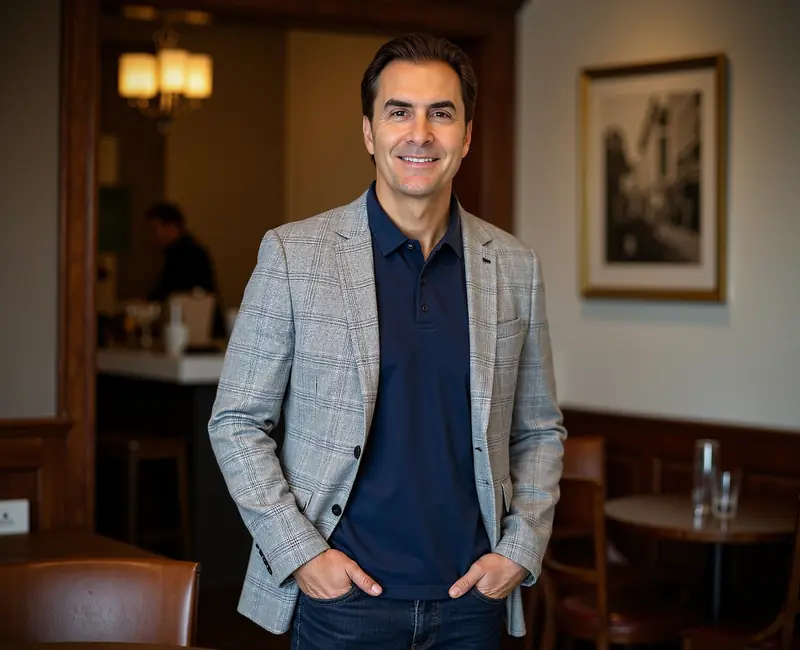
This article is grounded in current advisory work, not retrospective analysis. Mark Lynd is a 5x CEO/CIO/CISO with Thinkers360 Top 10 global rankings across Cybersecurity and Artificial Intelligence and was ranked #1 globally in Cybersecurity in 2023. He is currently Head of Executive Advisory and Strategy at Netsync, advising enterprise C-Suites and boards on the AI and cybersecurity questions moving fastest in 2026. The frameworks and patterns referenced here are from active engagements this quarter.
Why the Wrong Speaker Gets Booked So Often
Most executive event committees default to a familiar shortcut. They search for the most recognized name, the biggest book, or the highest follower count, and treat that as a proxy for quality. It is an understandable shortcut under time pressure, and it is frequently wrong. Recognition measures reach, not relevance. A speaker can be well known because they wrote one popular book years ago and have coasted on the keynote circuit since, giving a polished but generic version of the same talk to every industry. That talk might entertain a room. It rarely changes how a CISO thinks about a decision they have to make next quarter.
The deeper problem is that "AI and cybersecurity" is not one topic. A board audience needs governance framing, risk quantification, and regulatory context. A technical leadership offsite needs implementation detail and specific failure patterns. A sales kickoff wants energy and a memorable narrative more than depth. Treating all three as interchangeable and booking whoever ranks highest on a generic "top speakers" list is how organizations end up with a talk that is technically accurate and completely mismatched to the room.
The Criteria That Actually Predict a Good Session
Four criteria consistently separate a strong booking from a disappointing one, and none of them is fame. First, currency. Is the speaker actively advising organizations on this exact topic right now, or presenting material assembled a year or more ago. Second, specificity. Can the speaker describe a real pattern in enough operational detail that the audience learns something they could not get from a general search, without resorting to vague generalities like "AI is changing everything." Third, audience fit. Has the speaker actually worked at the level this audience operates at, meaning C-Suite and board experience for a board audience, not just cybersecurity practitioner experience applied upward. Fourth, independence. Is the speaker free to give an honest, occasionally uncomfortable assessment, or are they contractually or financially tied to a vendor whose products they will end up promoting from the stage.
That fourth criterion catches more buyers off guard than it should. A speaker who works for or is compensated by a specific AI or cybersecurity vendor has a structural incentive to frame every problem in a way that leads back to that vendor's product category. That is not a moral failing, it is simply the position they are in, and a sophisticated buyer accounts for it. A practitioner whose primary role is advisory rather than sales has more room to say a given trend is overhyped or that a given control is not worth its cost, which is exactly the kind of judgment a board audience needs and rarely gets.
Common Mistakes Buyers Make
A handful of mistakes show up repeatedly in how organizations run this search. The first is starting from a list rather than from the event's actual goal. Generic "top AI speaker" lists are compiled for search visibility, not for fit, and treating one as a shortlist skips the step where the committee decides what the audience actually needs. The second is confusing certification or title with active practice. A speaker who once held a CISO title but has spent the last several years exclusively on the speaking circuit is drawing on a credential, not a current practice, and the material tends to show its age even when the delivery is polished. The third is failing to ask for references from a comparable audience. A speaker who reliably delivers for a general technology conference audience may not translate to a board session, and the only way to know is to ask for and check a reference from a similarly senior audience, not just any past client.
The fourth mistake is skipping a live conversation before booking. A polished demo reel or a call with an agency representative cannot substitute for a direct conversation with the candidate about the specific audience and goal. That conversation is where currency and specificity either show up or do not. A candidate who cannot answer a pointed, current question in that call without falling back on generalities is telling the committee something important about what the session itself will be like.
A Worked Example of the Evaluation Process
Consider a program committee planning a financial services executive summit with two hundred attendees, including several board members. Three candidates make the shortlist. The first is a well known author whose most recent book was published three years ago and whose talk has not materially changed since. The second is an academic researcher with a strong publication record on AI risk but no operating experience running a security function. The third is a practitioner currently advising financial services C-Suites on live AI governance decisions, with cross-industry rankings that indicate sustained standing rather than a single viral moment.
On recognition alone, the first candidate wins easily. On rigor alone, the second candidate wins. But the committee's actual goal is to give its board members language and judgment they can use in the boardroom the following week. Judged against that goal, the third candidate is the strongest fit, not because the credential is flashier, but because the content will be current, operationally specific, and pitched at the level the audience actually sits at. The committee that books on recognition alone gets an entertaining hour. The committee that books against the actual goal gets a session that changes a decision.
The Strongest Case for Booking on Recognition Anyway
There is a legitimate argument for prioritizing a big name, and it deserves honest treatment rather than dismissal. Attendance and energy matter for many events. A well known name drives registration, justifies the event budget to sponsors, and gives attendees a reason to clear their calendar. A brilliant but unknown practitioner might deliver the more useful content and still leave the room half empty, which is a real failure for an event organizer whose job is measured partly in attendance numbers, not just in content quality. There is also a risk-management logic to recognition. A famous speaker has typically already faced large audiences under pressure and rarely bombs badly, while a lesser known practitioner speaker is a less proven quantity on stage regardless of how good their advisory work is.
That argument holds for a specific kind of event, one where the primary goal is visibility and energy rather than decision quality. It breaks down for the events this piece is really about, ones aimed at leadership and the board where the deliverable is judgment the audience can act on, not applause. The honest reconciliation is not to pick one criterion over the other but to be explicit about which goal the event actually serves before booking, and then to select against that goal rather than against habit. A committee that wants both energy and depth should look for a speaker who has both a track record of holding a room and current, specific advisory content, rather than assuming those two things never coexist in the same person.
Monday Questions for Leadership and the Board
Before finalizing a keynote booking for an executive AI or cybersecurity event, leadership and the board should walk through a short set of questions with the program committee. What decision do we actually want this audience to make differently after the session. Is the candidate actively advising organizations on this topic today, and can that be verified rather than taken on faith. Does the candidate have any financial or contractual tie to a vendor whose interests could shape the content, and has that been disclosed. Has the candidate operated at the level of this specific audience, meaning board and C-Suite experience if this is a board session. And finally, are we optimizing for attendance, for content quality, or honestly for both, and does this candidate actually deliver on the ones we picked.
The best speaker for your event is not a ranking. It is a match between what the room needs to walk away knowing and who is currently positioned to teach it to them honestly.