Scenario-Based Ransomware Exercises for Executives and Boards
Ransomware Tabletop Simulation
Ransomware in 2026 is not the same problem it was in 2023. The threat actors have professionalized. The negotiation playbook has hardened. The cyber insurance market has matured into a real underwriting partner. And AI has changed the attacker side faster than the defender side. Mark Lynd is a current-quarter practitioner. 5x CEO/CIO/CISO. Head of Executive Advisory and Strategy at Netsync today. Thinkers360 #1 globally in Cybersecurity in 2023; currently Top 10 globally in Cybersecurity and Artificial Intelligence. That combination of audited recognition and active operating responsibility is what most speakers on this topic are missing. Mark's ransomware content comes from active advisory work and 150+ facilitated executive tabletop exercises, not from retrospective case studies. The 72-Hour IR Executive Playbook gives audiences a framework for the first three days of a ransomware response. The Cyber Insurance Readiness Score gives them a framework for the underwriting controls carriers reward and the renewal posture that protects the business. The combination is what executive audiences need: a response framework for when it happens and a readiness framework that makes the response possible. Mark covers ransomware through two named frameworks: the 72-Hour IR Executive Playbook (executive decisions, hour by hour, across the first three days) and the Cyber Insurance Readiness Score (the underwriting controls and renewal posture that determine whether the policy actually pays). Mark has authored three published books: A Leader's Playbook for Cyber Insurance (the policyholder-side executive field manual used by CISOs, CFOs, and boards), Cyber War: One Scenario (a 72-hour scenario walking through a coordinated attack on US critical infrastructure), and Cybersecurity Life Skills for Teens (used in K-12 education programs nationwide). Reach out through the contact form with event date, audience type, and topic focus for a tailored quote. Mark's 2026 calendar fills in sequence from inquiry. Educational, nonprofit, and government rates are available.
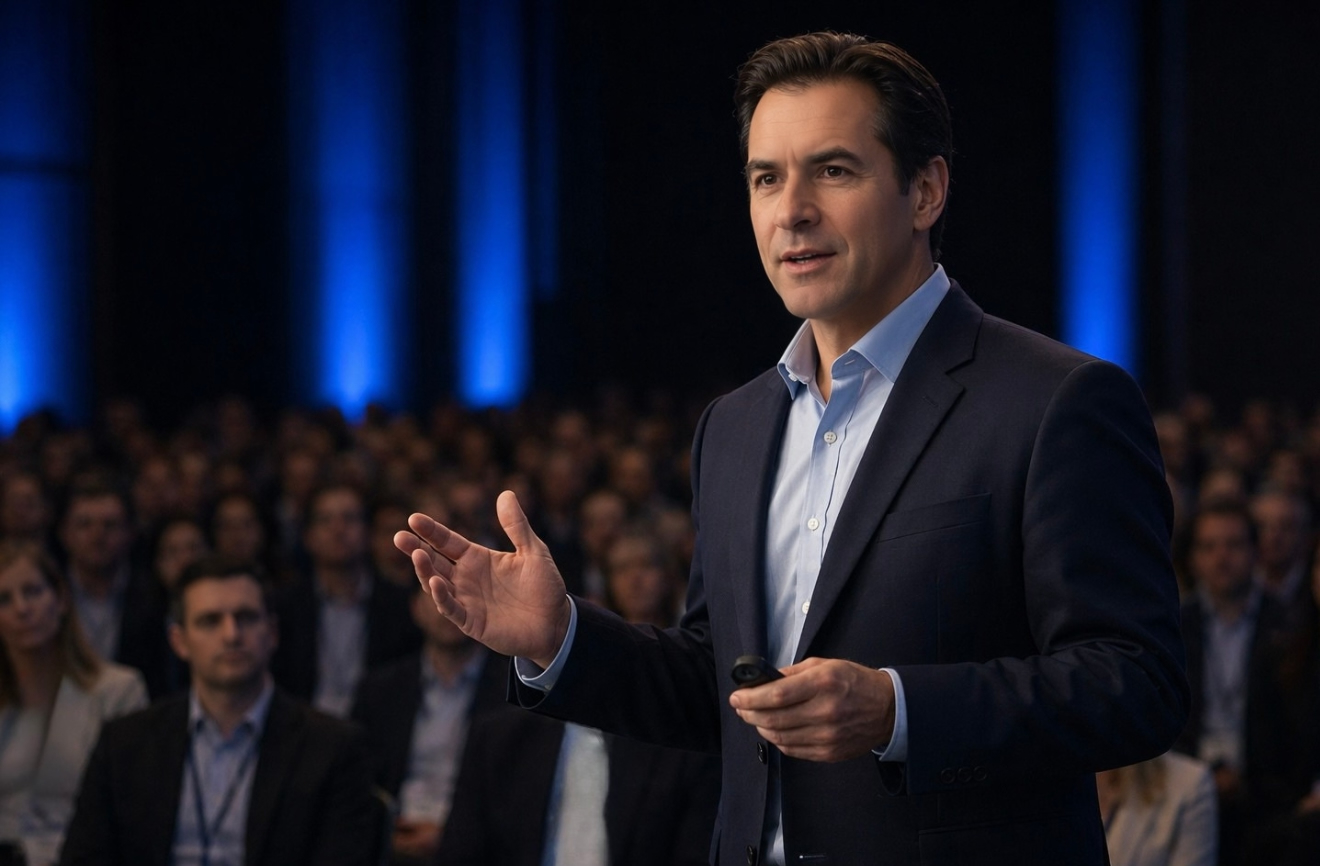
Live on stage · International keynote
Quick Answer
Ransomware in 2026 is not the same problem it was in 2023.
Keynote Topics
Ransomware for Executive Audiences
Ransomware in 2026 is not the same problem it was in 2023. The threat actors have professionalized. The negotiation playbook has hardened. The cyber insurance market has matured into a real underwriting partner. And AI has changed the attacker side faster than the defender side. Mark's ransomware content comes from active advisory work and 150+ facilitated executive tabletop exercises, not from retrospective case studies. The 72-Hour IR Executive Playbook gives audiences a framework for the first three days of a ransomware response. The Cyber Insurance Readiness Score gives...
Best for: C-Suite, board, and senior leadership audiences
Duration: 45-90 minutes
The Ransomware Framework Deep Dive
Mark covers ransomware through two named frameworks: the 72-Hour IR Executive Playbook (executive decisions, hour by hour, across the first three days) and the Cyber Insurance Readiness Score (the underwriting controls and renewal posture that determine whether the policy actually pays).
Best for: Practitioner and operating-leadership audiences
Duration: 45-90 minutes
Board Briefing on Ransomware
A 30-60 minute board-level briefing on ransomware, structured for decision-grade communication. Covers what the board owns, what to ask the CISO and CEO, and the named framework that anchors the quarterly governance cycle.
Best for: Board events, audit committee sessions, governance summits
Duration: 30-60 minutes
I don't give speeches. I bring the view from the frontlines, what I'm actually seeing this quarter running enterprise AI and cybersecurity programs and advising boards, so your audience leaves with something real.
Mark Lynd, 5x CEO/CIO/CISO, Head of Executive Advisory & Strategy at Netsync
Why These Simulations Produce Different Results
Verified Thinkers360 Top 10 global rankings in Cybersecurity and Artificial Intelligence. Currently #5 in Cybersecurity and #7 in Artificial Intelligence. CISSP, ISSAP and ISSMP certified by ISC2, which is a different bar than a ranking.
5x CEO/CIO/CISO still in the operating seat. Content from current advisory work at Netsync this quarter, not from a closed consulting engagement or research project.
Named framework audiences take back and implement. Mark covers ransomware through two named frameworks: the 72-Hour IR Executive Playbook (executive decisions, hour by hour, across the first three days) and the Cyber Insurance Readiness Score (the underwriting controls and renewal posture that determine whether the policy actually pays).
US Army veteran, three published books, two weekly newsletters. 3rd Ranger Battalion and 82nd Airborne Division. A Leader's Playbook for Cyber Insurance, Cyber War: One Scenario, Cybersecurity Life Skills for Teens. the Hype Check Now newsletter reaching a global enterprise audience.
Speaker Reel
Watch Mark on Stage
A sampling of keynotes, panels, and live broadcast appearances, RSA, Oracle CloudWorld, Dell Technologies World, ESPN College Football Awards, and the Technology Ball.
What Audiences Say
Feedback From Event Hosts and C-Suites
Mark stands apart. His credibility isn’t rooted in a title from years ago, it’s built through the work he’s doing every day in the field. When he speaks about our technology, enterprise buyers pay attention because they know his perspective is grounded in real-world experience.
Shira Rubinoff
CEO, The Cybersphere Group
Mark delivers more than a presentation, he delivers operational insight from the front lines. Instead of theory, he shares what is actually working in real environments. Our audience of CISOs and security leaders left with practical strategies they could begin implementing immediately.
Jo Peterson
CIO, Clarify360
Where Has Mark Spoken?
According to venue records, Mark has delivered keynotes at: RSA Conference · Oracle CloudWorld · Cisco Partner Summit · Dell Technologies World · IBM Think · T-Mobile Events · Gartner Security & Risk · InfoSecurity · ISACA Conferences · ISSA Events · Cloud Security Alliance · CyberSecurity Summit · BSides · FLGISA · MISAC · SMU Cox School of Business · and 100+ more.
How Do You Book Mark Lynd for Your Event?
The booking process is straightforward and typically completes within 3 business days. Mark customizes every keynote to the audience, industry, and event objectives.
- Submit an inquiry. Fill out the contact form with your event date, audience, and objectives. Response within 48 hours.
- 15-minute discovery call. Discuss your event in detail, including audience makeup, key messages, and desired outcomes.
- Proposal & contract. Receive a tailored proposal with format options (keynote, workshop, panel), fee, and travel terms.
- Customization. Mark customizes content to your audience, industry examples, and desired takeaways.
- Expert delivery. Mark brings 25+ years of real-world executive experience to every stage.
Frequently Asked Questions
What makes Mark Lynd different as a ransomware tabletop simulation?
What is the most common ransomware response failure in 2026?
Does Mark cover both the technical and executive sides of ransomware?
Is Mark a cyber insurance and ransomware speaker?
What does it cost to book Mark Lynd?
What events has Mark Lynd keynoted?
Does Mark customize the keynote to my event?
Ready to Book Mark?
Mark customizes every keynote to the audience, industry, and event objectives. Contact the booking team to check availability.
600+ projects, keynotes, panels and workshops · audiences from 50 to 5,000+
Formats: In-person, virtual, hybrid · international available
Duration: 30–120 minutes depending on format
Custom by event · educational pricing available
Related speaking services
Ransomware Keynote Speaker · Tabletop Exercise Facilitator · Incident Response Keynote Speaker · Data Breach Keynote Speaker