A Cybersecurity Textbook for High School
Cybersecurity Life Skills for Teens
A practical high school cybersecurity textbook written in language teens actually understand. Phishing, social engineering, identity theft, online safety, and the digital habits that matter in daily life. Used by educators, CTE programs, and K-12 schools nationwide.
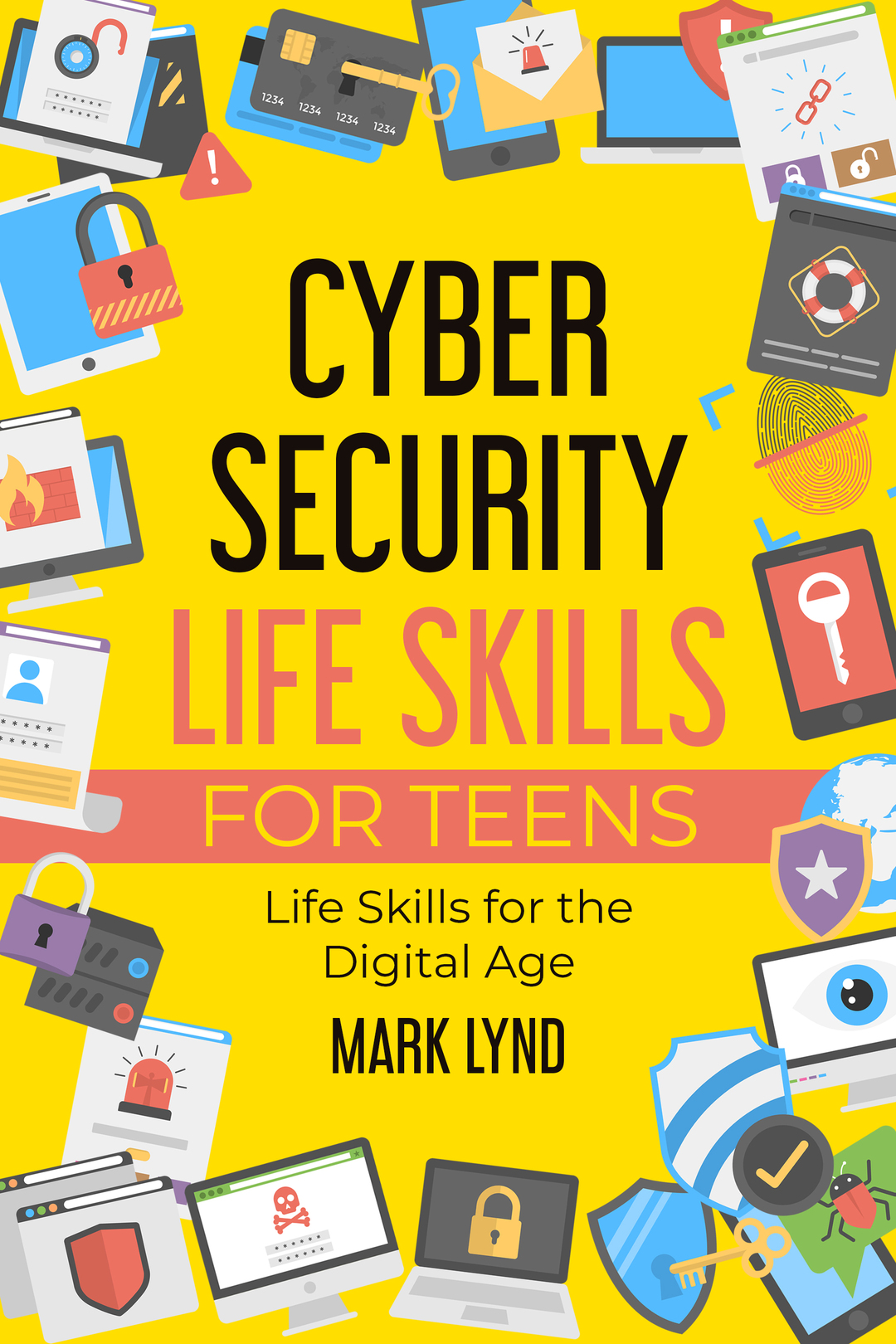
Cybersecurity Life Skills for Teens is the cybersecurity book for students who are about to graduate into a world where every relationship, every job application, every banking interaction, and every meaningful conversation runs through a screen. Written in language teens read voluntarily, not the textbook tone they tune out, it covers phishing, social engineering, identity theft, online safety, password hygiene, deepfakes, scam awareness, and the small daily habits that compound into a safe digital life.
Why This is the Cybersecurity Book for Teens Educators Actually Adopt
Most cybersecurity books for students are either too thin (a list of rules nobody follows) or too dense (an industry textbook a teenager will not open twice). Cybersecurity Life Skills for Teens is the readable middle. The voice is direct and respectful, the examples are current, and the chapters are sized for either a class period or a Sunday afternoon.
The book has been adopted by CTE programs, K-12 schools, and educator-curated reading lists across the country because it does the thing every educator wishes a textbook would do: it changes a teen’s habits, not just their multiple-choice answers. Students who finish the book report stronger password habits, better phishing intuition, and an actual understanding of what social engineering is, not a vague warning.
Mark Lynd is a 5x CIO/CISO and a parent. He wrote the cybersecurity book for teens that he wished existed when his own kids were in middle and high school.
What Teens (and Their Adults) Will Learn
Skills that compound: small daily habits that protect a teen’s identity, finances, friendships, and future career.
Phishing & Smishing in the Wild
How to spot a phishing message in two seconds, why “urgency” is the universal red flag, and the smishing patterns hitting teens through SMS, Discord, and DMs right now.
Social Engineering
Why social engineering works on smart people, the eight psychological levers attackers use, and how to recognize them in conversations a teen actually has.
Identity Theft and Account Takeover
How identities get stolen at the teen-and-young-adult age, financial aid scams, fake job offers, gaming credential resets, and what to do if it happens.
Password Hygiene That Actually Works
Why “use a password manager” is good advice nobody follows, and the realistic password and MFA habits a teen will keep.
Online Safety and Digital Footprint
What survives forever, what colleges and employers actually search, and the small choices that protect a teen’s future career and reputation.
Deepfakes & AI-Generated Content
How to recognize AI-generated images, voices, and videos, and the new wave of AI-enabled scams targeting teens directly.
Privacy on Phones and Apps
App permissions, location tracking, the data-broker economy, and the settings every teen should change once and then forget.
Cyberbullying and Doxxing
What to do when it happens, how to preserve evidence, who to escalate to, and the legal protections teens often do not know they have.
Money, Banking, and Scam Awareness
The teen-targeted financial scams in 2026, how Venmo, Zelle, and Cash App fraud actually works, and the “pause for ten minutes” habit that prevents most of them.
For Educators, CTE Programs, and K-12 Schools
Cybersecurity Life Skills for Teens is built for adoption. Chapters fit a class period. End-of-chapter prompts double as discussion questions or homework. The book serves as a primary cybersecurity textbook for high school courses, a CTE-program supplement, an after-school program reader, and a take-home companion for parent-teen conversations.
- ✓Used by educators across all 50 states as a cybersecurity textbook for high school and middle school programs.
- ✓Aligned with common CTE cybersecurity pathways and digital-citizenship standards.
- ✓Bulk pricing for class sets, district adoptions, and CTE program purchases.
- ✓Author availability for classroom visits, virtual sessions, and parent-night talks.
- ✓Companion discussion-guide and parent-guide resources via the Parent Guide to Cybersecurity.
Who This Book is For
For Teens (Grades 7-12)
Written in a voice teens read voluntarily. Short chapters, direct examples, and the actual habits that change online behavior, without the lectures.
For Parents
The cybersecurity book for parents who want a useful starting point for the conversation, plus a reference their teen can read on their own. Parent guide companion →
For Educators
A cybersecurity textbook for high school programs, classroom courses, and after-school clubs. End-of-chapter prompts work as discussion questions or assignments.
For CTE Programs
A practical cybersecurity book for students entering the cybersecurity CTE pathway, aligned with common digital-citizenship and security-awareness standards.
For Libraries
Public and school libraries stock the title for the teen-and-young-adult section as the readable digital-safety book teens actually pick up.
For Faith and Youth Programs
Youth groups, scouts, and after-school programs use the chapters as discussion prompts during digital-citizenship and online-safety units.
Related Resources by Mark
Companion guides for parents, educators, and the broader CTE / K-12 cybersecurity audience.
Cybersecurity Book for Teens
Why this is the title educators keep on the shelf.
Teen Cybersecurity Book
A short overview of the book’s use in classrooms.
Cybersecurity Book for Students
Use as a primary or supplemental student text.
School and District Orders
Ask about class sets, district adoption, educator pricing, and author appearances.
Online Safety Book for Teens
For readers searching the broader online-safety term.
Digital Safety Book for Teens
Same audience, different search term.
Parent Guide to Cybersecurity
The companion reference for parents and guardians.
K-12 Cybersecurity Speaker
Author appearances, parent nights, and assemblies.
Education Tabletop Facilitator
For school district incident-response readiness.
What Educators, Parents, and Students Say
“Finally a cybersecurity textbook my high schoolers will actually read. We use it as the spine of our digital-citizenship unit and the conversations changed overnight.”
High School Teacher, CTE Cybersecurity Pathway
“The phishing chapter alone earned its keep. My 14-year-old caught a smishing attempt the next week and walked me through why.”
Parent of Two Teens
“We adopted it across our middle and high schools. Cybersecurity Life Skills for Teens is the rare book teens actually finish and parents thank you for.”
District CTE Director
“Most cybersecurity books for students lecture. This one talks. My students actually engaged.”
Library Media Specialist, Public High School
Frequently Asked Questions
What grades is the cybersecurity book for teens written for?
Grades 7-12, with an explicit center of gravity around grades 9-11. The voice and reading level are accessible to advanced middle schoolers and engaging for high schoolers.
Is this a cybersecurity textbook for high school?
Yes. It is widely adopted as a primary or supplemental cybersecurity textbook for high school programs, including CTE cybersecurity pathways and digital-citizenship units. Chapters fit class periods, end-of-chapter prompts double as discussion questions, and the content maps to common standards.
Is there a parent guide to cybersecurity to go with it?
Yes. The Parent Guide to Cybersecurity is the companion reference for parents who want a working command of the same material their teen is reading.
Does the book cover online safety, phishing, and identity theft?
Yes. Dedicated chapters on online safety, phishing and smishing, social engineering, identity theft, password hygiene, deepfakes, cyberbullying, and money-related scams, all written in language teens read voluntarily.
Can my school district buy in bulk?
Yes. Bulk pricing is available for class sets, district adoptions, CTE programs, and after-school program purchases. Contact Mark’s office for quotes and educator pricing.
Does Mark do classroom visits, parent nights, or assemblies?
Yes. Mark speaks regularly to schools, districts, and parent audiences on the same material the book covers. K-12 cybersecurity speaker →
Is the book aligned with CTE cybersecurity pathways?
Yes. The chapters are mapped to common CTE cybersecurity-pathway and digital-citizenship standards used across U.S. school districts. Districts often pair it with hands-on lab content.
Is there an audiobook version?
The book is available in eBook and paperback formats today. Contact Mark’s office for the latest on additional formats.
Buy Cybersecurity Life Skills for Teens
Available in eBook and paperback formats. Bulk ordering for districts, classrooms, CTE programs, and after-school programs, contact Mark’s office for educator pricing.
Bring Mark to Your School or Parent Night
Mark speaks to teens, parents, and educators on the same material the book covers, assemblies, classroom visits, parent nights, and CTE-program kickoffs. Class sets and signed copies available.