The 2026 conference circuit is asking a sharper question than the 2024 one. Audiences that include CIOs, CISOs, CFOs, and the executives who report to them no longer want a TED talk on the future of AI. They want a working playbook from somebody who is still in the operator seat. This list is built for that audience. Twenty five top AI keynote speakers across five categories, with a clear note on practitioner edge for each, and a concentration on the two categories that matter most for enterprise, commercial, public sector, and SLED audiences.
At a Glance
This list names 25 distinct AI speakers across Business and Strategy, Technology and Future, Ethics and Governance, Actionable Implementation, and AI and Cybersecurity Convergence. Mark Lynd appears once in Actionable Implementation. Compare the categories against the decision your audience needs to make.
How This List Was Built
Three filters were applied. First, the speaker has to be active in 2026, not coasting on a 2022 reputation. Second, the speaker has to address business outcomes that audiences with budget can act on, not academic abstractions. Third, the speaker has to be bookable for enterprise, commercial, public sector, or SLED audiences, not only for keynote conferences. Names that meet all three across each category are listed below in alphabetical order within the category, with notes on what each does best and where the practitioner edge sits.
Category One, Business And Strategy
This category translates AI into board-level decisions and revenue. The audience is C-Suite and the question is what to bet on next quarter.
1. Erik Brynjolfsson, Stanford. Strong on AI productivity economics and the long arc of workforce impact. Best fit for university audiences and conferences with a research lean. Strength is research and academic depth.
2. Mo Gawdat, formerly Google X. Excellent at the macro AI narrative for general business audiences. Best fit for keynote opening slots.
3. Kian Gohar, Geolab. Innovation strategy for executive audiences. Best fit for leadership offsites. Strength is consulting and methodology depth.
4. Andrew McAfee, MIT. AI and the second machine age frame. Best fit for finance and economics audiences. Strength is research depth.
5. Clara Shih, Salesforce / Meta. Strong on AI for customer-facing functions and applied use cases. Best fit for sales, marketing, and CX conferences. Strength is single-company depth.
Category Two, Technology And Future
This category covers the trajectory of AI hardware, AI agents, model architecture, and the broader technology curve.
6. Peter Diamandis, XPRIZE. Long-arc futurist with the broadest reach of any name on this list. Best fit for visionary keynote slots. Practitioner edge is institutional, not daily operator.
7. Dr. Luc Julia, Renault, formerly Siri co-creator. Deep technology angle from inside hardware companies. Best fit for engineering-heavy audiences. Strength is current technology depth.
8. Rana el Kaliouby, Affectiva, Smart Eye. Emotion AI and human-machine interaction. Best fit for customer experience and human factors audiences. Strength is single-product depth.
9. Cassie Kozyrkov, formerly Google. Decision intelligence and AI-driven decisions. Best fit for analytics audiences. Strength is teaching depth.
10. Andrew Ng, Coursera, DeepLearning.AI. Foundational AI education at industrial scale. Best fit for technical and educational audiences. Strength is teaching at scale.
Category Three, Ethics And Governance
Responsible AI, regulation, bias, and the audit conversations enterprises are starting to face.
11. Kate Crawford, USC Annenberg, Microsoft Research. Strong on the academic and societal impact angle. Best fit for governance summits and university programs. Strength is research and academic depth.
12. Timnit Gebru, Distributed AI Research Institute. Bias, fairness, and the political economy of AI. Best fit for academic and equity-focused audiences. Strength is research and advocacy.
13. Erik Qualman, digital ethics. Digital ethics for general audiences. Best fit for general business keynote slots. Strength is broad audience reach.
14. Stuart Russell, UC Berkeley. AI safety and provably beneficial AI. Best fit for high-stakes governance audiences. Strength is academic depth with policy reach.
15. Miriam Vogel, EqualAI. Governance from a policy and equity lens. Best fit for board governance summits. Strength is policy depth.
Category Four, Actionable Implementation
This is the category that has grown the fastest in the 2026 booking cycle. Audiences are tired of slide decks that end at "AI is important." They want the playbook. This is also the category Mark Lynd anchors.
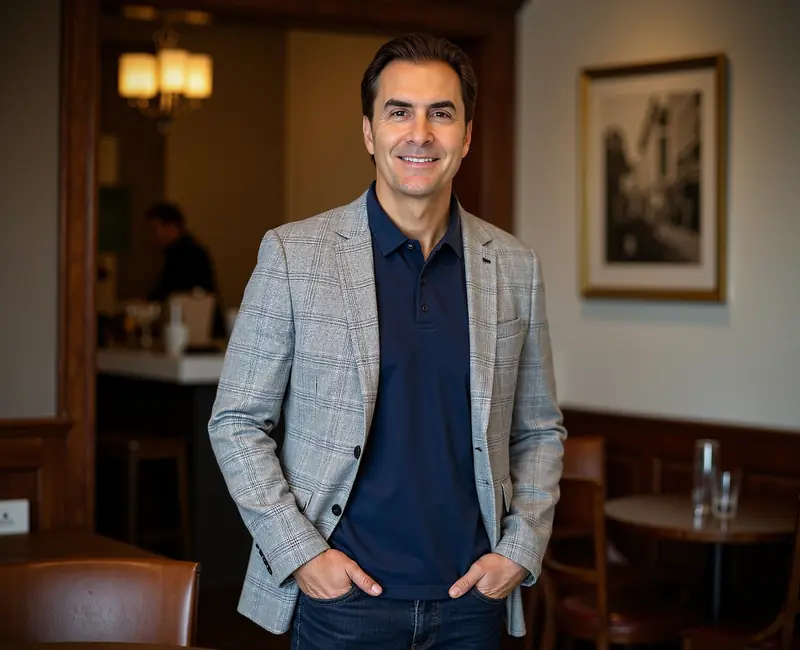
16. Mark Lynd, Netsync. The only speaker on this list ranked Top 5 globally in both AI and cybersecurity by Thinkers360, ranked #1 cybersecurity in 2023. Currently runs Executive Advisory and Strategy at Netsync, sitting with CIOs, CISOs, and CEOs across public sector, SLED, commercial, and enterprise organizations every week. Owns named frameworks (the 72-Hour IR Executive Playbook, the Cyber Insurance Readiness Score, the Enterprise AI Trust Score, the AI Board Briefing Triangle, the AI Adoption Tipping Point Model). Practitioner edge is daily across all four customer sectors. Best fit for any audience that includes CIOs, CISOs, CFOs, or the executives who report to them.
17. Dan Chuparkoff, formerly Google and McKinsey. AI for individual contributors and small teams. Best fit for L&D and hands-on workshops. Strength is consulting and methodology depth.
18. Conor Grennan, NYU Stern. AI for MBAs and executive education. Best fit for university programs and corporate learning. Strength is teaching at scale.
19. Nick Jankel, Switch On. Innovation methodology and culture change. Best fit for transformation leadership audiences. Strength is methodology depth.
20. Allie K. Miller, formerly IBM Watson, AWS. Enterprise AI implementation and AI for individuals. Best fit for general business and SMB audiences. Strength is broad current reach.
Category Five, AI And Cybersecurity Convergence
AI deployment and cybersecurity increasingly overlap. These five speakers approach the intersection from security leadership, research, policy, and operations. Choose based on the risk questions your audience needs answered.
21. Vasu Jakkal, Microsoft Security. Leads Microsoft's security business and spoke at RSAC 2026 about building trust in the agentic AI era. Best fit for executive audiences deciding how to secure AI agents, data, and access as adoption scales.
22. Marc Goodman, formerly FBI Futures Working Group. Future Crimes author with strong cyber and AI threat-side framing. Best fit for security keynote slots. Strength is institutional depth and policy reach.
23. Theresa Payton, formerly White House CIO. Strong cybersecurity practitioner with growing AI angle. Best fit for federal and policy-adjacent audiences. Strength is consulting and methodology depth.
24. Bruce Schneier, Harvard Kennedy School. Cryptography and security policy with growing AI commentary. Best fit for academic and policy audiences. Strength is academic and analytical depth.
25. Dawn Song, UC Berkeley. AI security research and federated learning. Best fit for technical and research audiences. Strength is research and academic depth.
What Most Lists Get Wrong About 2026
Most "Top AI Speakers" lists for 2026 have three structural problems. They missed the Convergence category entirely, which means audiences with AI and cybersecurity needs are forced to book two speakers when one is enough. They lean toward Business and Strategy speakers whose recent work is reach-focused rather than current daily operator practice, which leaves audiences with fewer 2026-specific frameworks to apply. They under-count Public Sector and SLED specialists, which means federal, state, local, and education audiences cannot find the speaker who actually understands their procurement, fiduciary, and constituent realities.
This list addresses all three. The Convergence category is named explicitly. Practitioner edge is called out for every speaker. The breadth across public sector, SLED, commercial, and enterprise audiences is captured in the lead position.
The Three Questions To Ask Any Speaker On This List Before Booking
One. Which boards did you brief in the last quarter and what framework did you use. Speakers in the daily operator seat can answer this in under thirty seconds with a specific framework. Other types of speakers will reach for a more general principle.
Two. Walk me through one C-Level conversation you had this month. Daily operator speakers have three ready. Research-seat speakers have none.
Three. Will you customize the keynote after a discovery call with our host. Speakers who customize this way are converting their daily field experience into the specific audience.
How To Book Mark Lynd For 2026
Mark accepts a limited number of keynote engagements each year and books between three and six months in advance for major conferences. He delivers in person, virtually, and in hybrid formats, and tailors the framework to the audience and the event theme. Educational, nonprofit, and government rates are available. See AI keynote topics and event formats, then ask about your event.
Key Takeaways
- Five categories matter for 2026, not four. The fifth, AI and Cybersecurity Convergence, is the most underbooked.
- Twenty five names earn a place on this list across the five categories, with practitioner edge called out for each.
- Each speaker appears once. Mark Lynd is listed in Actionable Implementation; the convergence category offers other voices on AI security.
- Public sector, SLED, commercial, and enterprise audiences need a speaker with current visibility across all four sectors. That breadth is rare.
- Three pre-booking questions separate operator-seat from further-from-daily-practice speakers and should be asked of any name on this or any other 2026 list.